
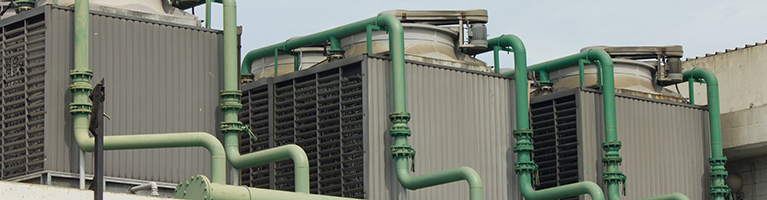
Commercial cooling
For office rooftop units and chillers, the aim is to remove oil fouling and restore heat transfer.

HomeTechnologiesIceCOLD
A synthetic catalyst that removes oil fouling in existing HVAC and refrigeration systems.
How it works
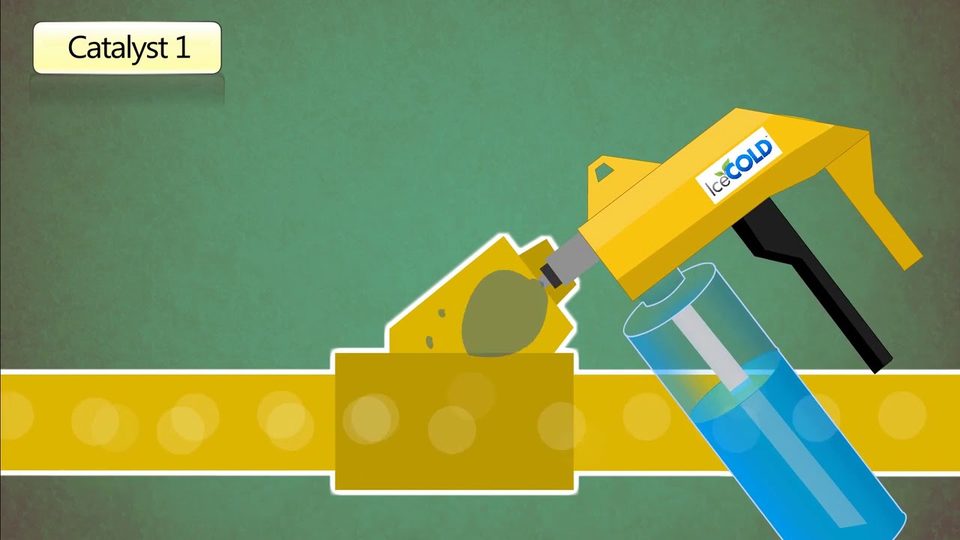
Video claims are the publisher’s. Equipment and refrigerant suitability require manufacturer confirmation.
Watch on YouTube (opens in a new tab)
A technology of IceCOLD Technology, LLC
IceCOLD is a synthetic catalyst the removes oil fouling, restores lost efficiencies, and extends equipment life of your HVAC systems. Compatible with most refrigerants, it reduces compressor run times and lowers energy consumption.
The problem
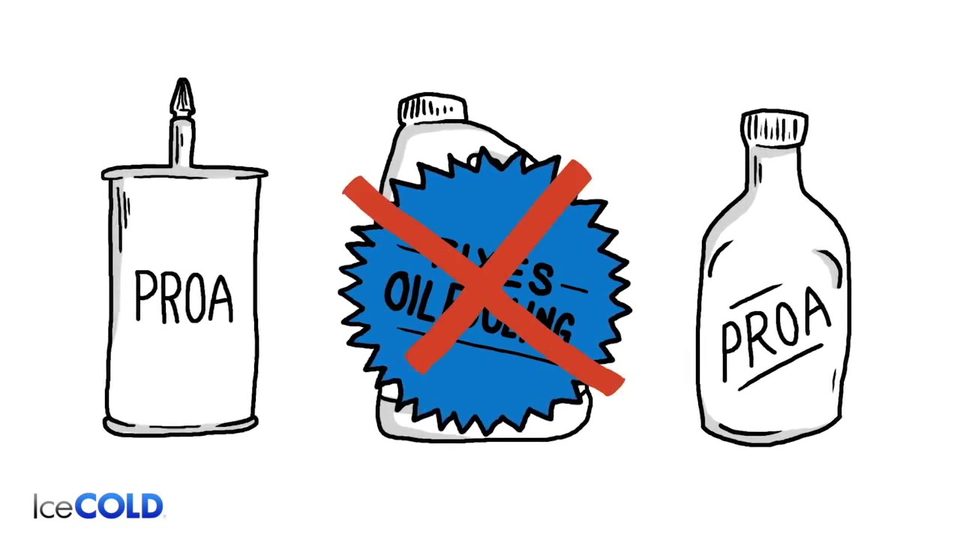
Video claims are the publisher’s.
Watch on YouTube (opens in a new tab)Oil fouling is the film of compressor oil that builds up on internal heat-transfer surfaces, making it harder for the system to move heat.
Equipment and refrigerant compatibility must be confirmed with the manufacturer before application.
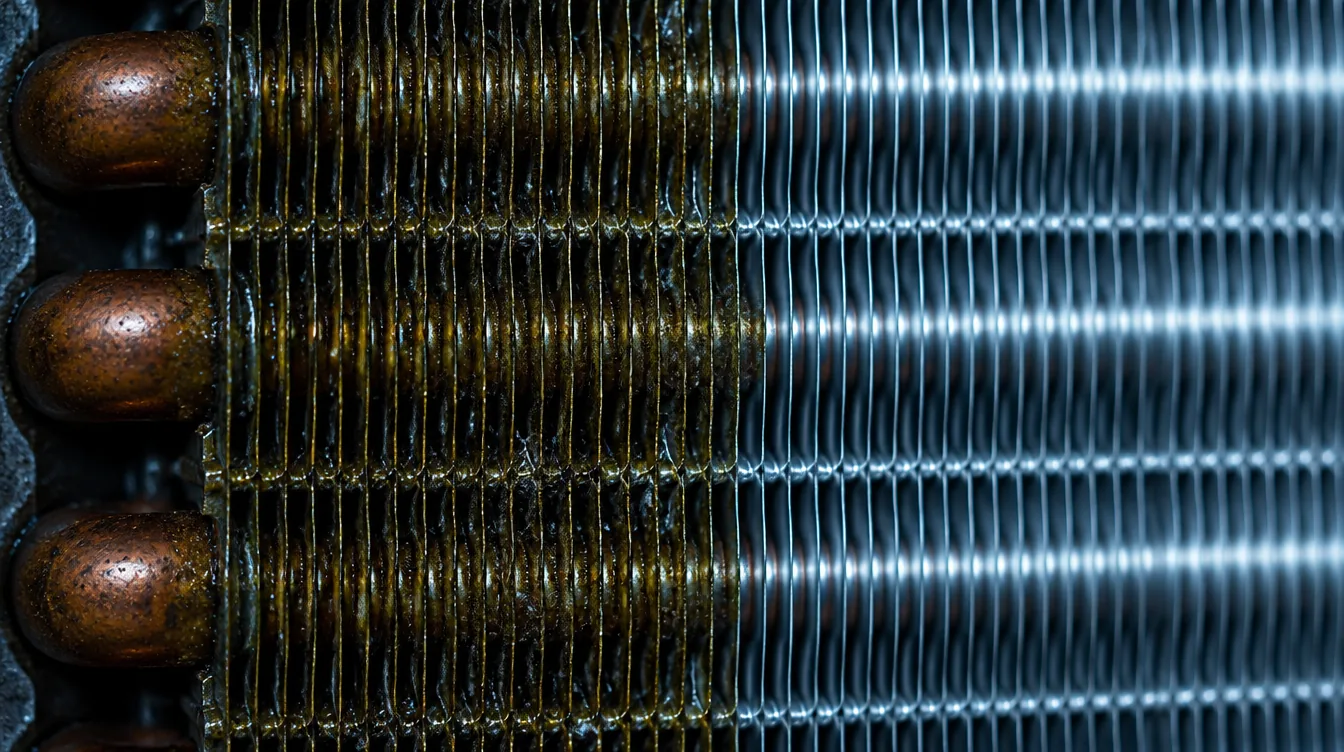
The first catalyst strips the oil fouling and restores the heat transfer surface.
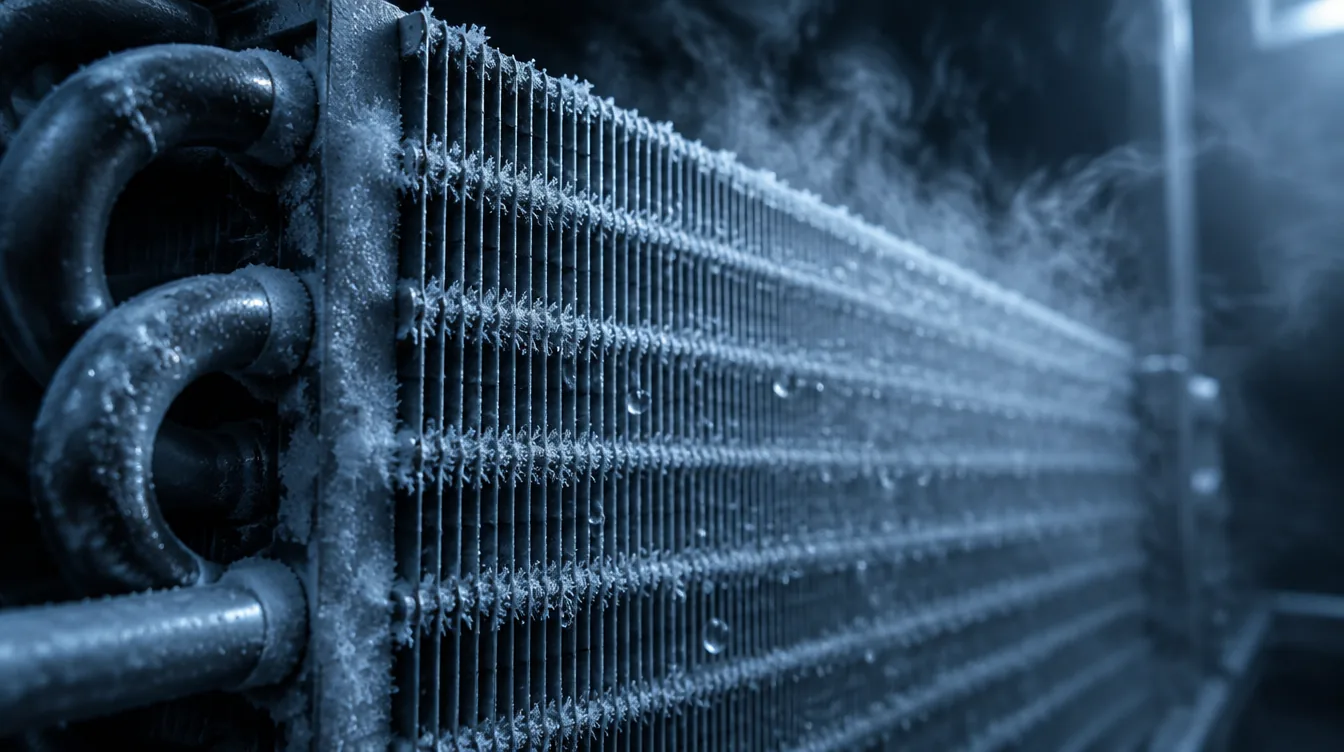
The second lowers the refrigerant evaporation temperature, so the system delivers colder supply air and reaches setpoint sooner.
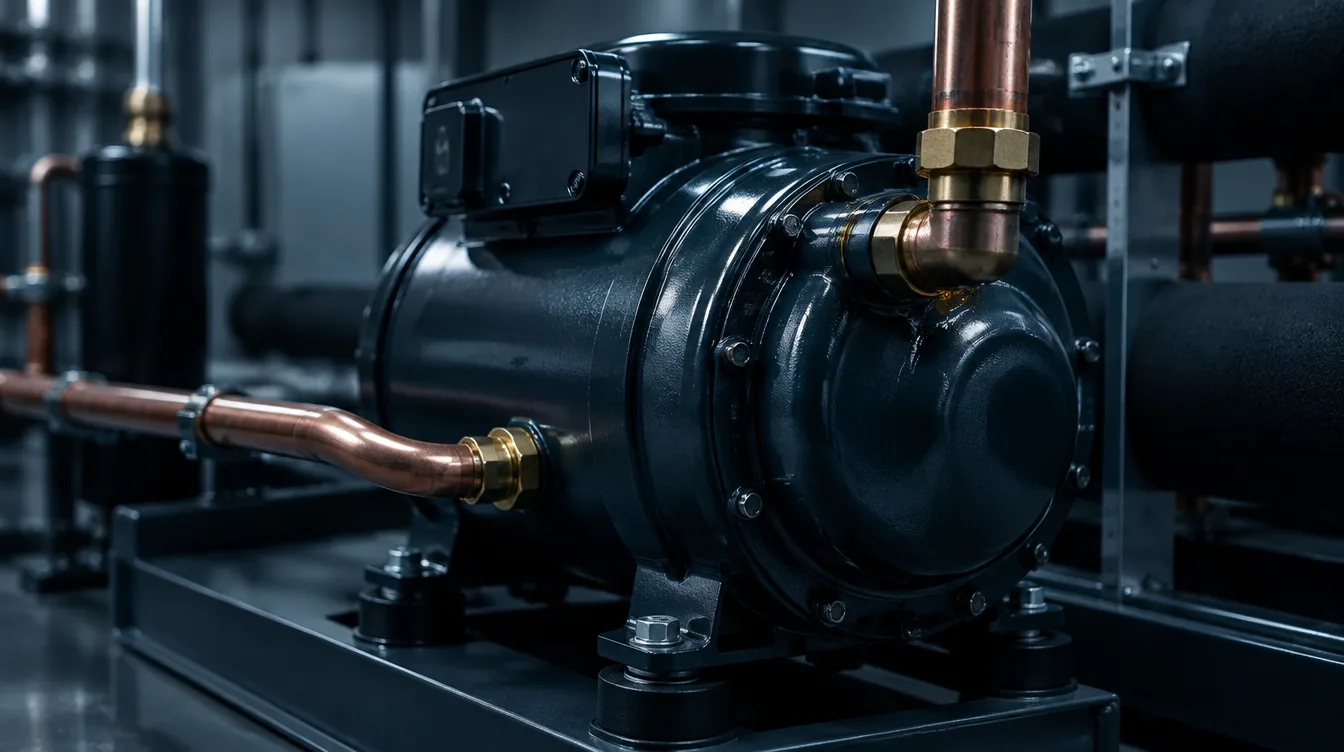
An advanced lubricity agent helps the compressor run more smoothly.
IceCOLD does not reduce the amp draw of the compressor motor. The compressor pulls the same current when it is running. The saving comes from the compressor running less, because the system reaches setpoint faster and holds it. Shorter run times mean lower consumption, less wear, fewer service calls and longer compressor life.
A catalyst causes a reaction by being present and is not consumed or changed by it. It does not need topping up, and it does not alter the refrigerant.
IceCOLD's results worldwide
All figures below are IceCOLD Technology's own, from its published case studies. Cool Estate does not restate them as its own results.
Proof from the field
Customer quotations as published by IceCOLD Technology.

“At the end of six months, our electricity cost savings averaged a 28.1% reduction from the previous year.”
“IceCOLD saves on the life of compressors and run hours, with additional savings on power use per unit.”

“IceCOLD has improved the air conditioning and refrigeration equipment across our distribution warehouses.”
Validation
IceCOLD has been validated by the following organisations for good business practices and efficiency.

Government grant to validate fuel efficiency gains.

Approved for US federal government purchase.

Honourable mention, 2012 data‑centre energy study.

Recognised by McDonald’s Australia in 2012.

A+ accredited business.

Independent refrigerated-trailer performance testing.

Compressor oil compatibility testing.

Compressor material compatibility and wear testing.
Applications
For office rooftop units and chillers, the aim is to remove oil fouling and restore heat transfer.

For refrigeration racks, walk-in freezers and reach-in coolers, the aim is the same: remove oil fouling, restore heat transfer.
Equipment and refrigerant fit must be confirmed with the manufacturer before application.
Application imagery from IceCOLD Technology; not a Cool Estate installation.
Before you specify it
The questions a contractor or facilities manager asks first.
Start with one unit
We measure a baseline before application, then measure again. Cool Estate can set that up on a single unit first, so the evidence is from your own equipment.
Request a site assessment and savings estimateFAQ
IceCOLD removes oil fouling to restore heat-transfer efficiency in existing HVAC and refrigeration systems. Improved heat transfer can shorten compressor run times rather than reduce current while running. Results depend on the equipment and operating conditions.
Cool Estate represents IceCOLD in Canada and can assess a site and quote the saving.
No, and it is worth being clear about that. The compressor draws the same current while running. The savings come from it running fewer hours, because the system reaches setpoint faster and holds it.
Refrigerant compatibility and the appropriate IceCOLD formulation must be confirmed with the manufacturer before application, including for ammonia systems. Ask Cool Estate to review your equipment and refrigerant.
No. It is a catalyst, which means it causes a reaction by being present without being consumed or changed by it. It does not alter the refrigerant and does not need topping up.
Against a measured baseline taken before application. Cool Estate can set that up on a single unit first, so the result is yours rather than a case study from somewhere else.
IceCOLD is a technology of IceCOLD Technology, LLC. Cool Estate is its Canadian distributor. Results and quotations on this page are published by IceCOLD Technology.
Tell us the equipment and the load. We will set a baseline and quote the saving before anything goes in.